
How Are Cognitive Health and Hearing Health Related?
Your ears capture sounds, but it’s your brain that makes sense of them. When your hearing is clear, your brain can process and interpret sounds effortlessly. However, when hearing loss is present, your brain must work harder to fill in the gaps, which can lead to increased mental fatigue and make everyday communication more challenging.
Over time, untreated hearing loss can place extra strain on your brain. This added effort may affect your memory, your concentration, and even your ability to stay socially engaged. As your brain devotes more resources to understanding sounds, it may have less capacity for other important mental tasks.
By supporting your hearing health, you also support your brain’s ability to function at its best. Addressing hearing loss early and monitoring your cognitive health can help you stay sharp, connected, and confident in your daily life.
Cognitive screening gives you valuable insight into how your brain is performing and empowers you to take proactive steps for your overall well-being.
Did You Know? Protecting Your Hearing Protects Your Brain
We often think of hearing loss as just a frustrating part of getting older, but groundbreaking medical research shows it actually plays a massive role in our brain health.
According to global health authorities like The Lancet Commission, mid-life hearing loss is the single largest modifiable risk factor for dementia. Landmark studies from Johns Hopkins Medicine found that even mild hearing loss can double your risk of cognitive decline, while severe loss can multiply it by five.
Why are they connected? Scientists point to three main reasons:
Cognitive Overload
When you can't hear well, your brain has to work overtime just to decode sounds, leaving less mental energy for memory and thinking.
"Use It or Lose It"
Lack of sound stimulation can cause the parts of the brain responsible for speech and memory to structurally shrink over time.
Social Isolation
Struggling to follow conversations often leads people to withdraw from social activities, and isolation is a known fast track for cognitive decline.
The good news? You can do something about it! The ACHIEVE study recently proved that treating hearing loss with hearing aids and proper support slowed down the rate of cognitive decline by nearly 50 percent in at least three years for older adults at risk.
Getting your hearing checked isn't just about hearing the television better; it’s an essential step in protecting your mind and staying sharp for years to come.
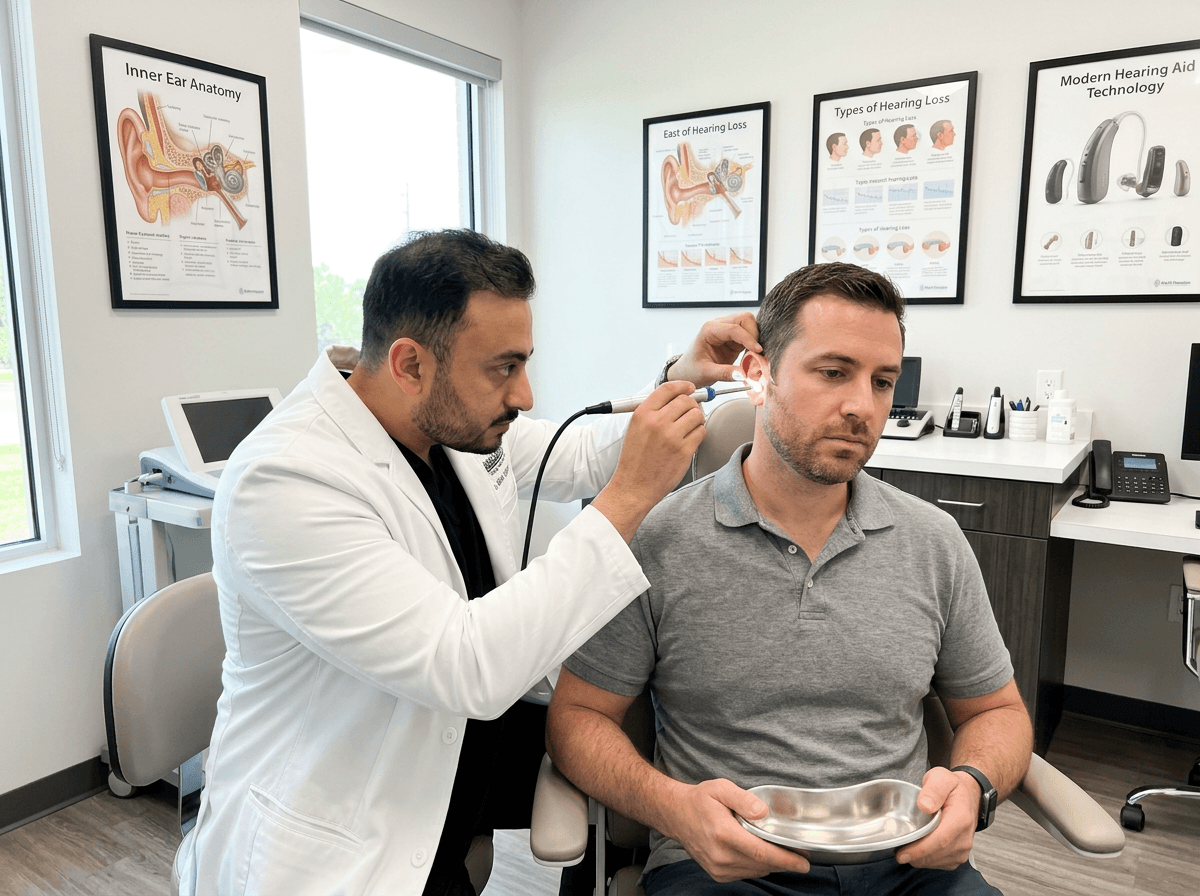

How does cognitive screening work during a hearing evaluation?
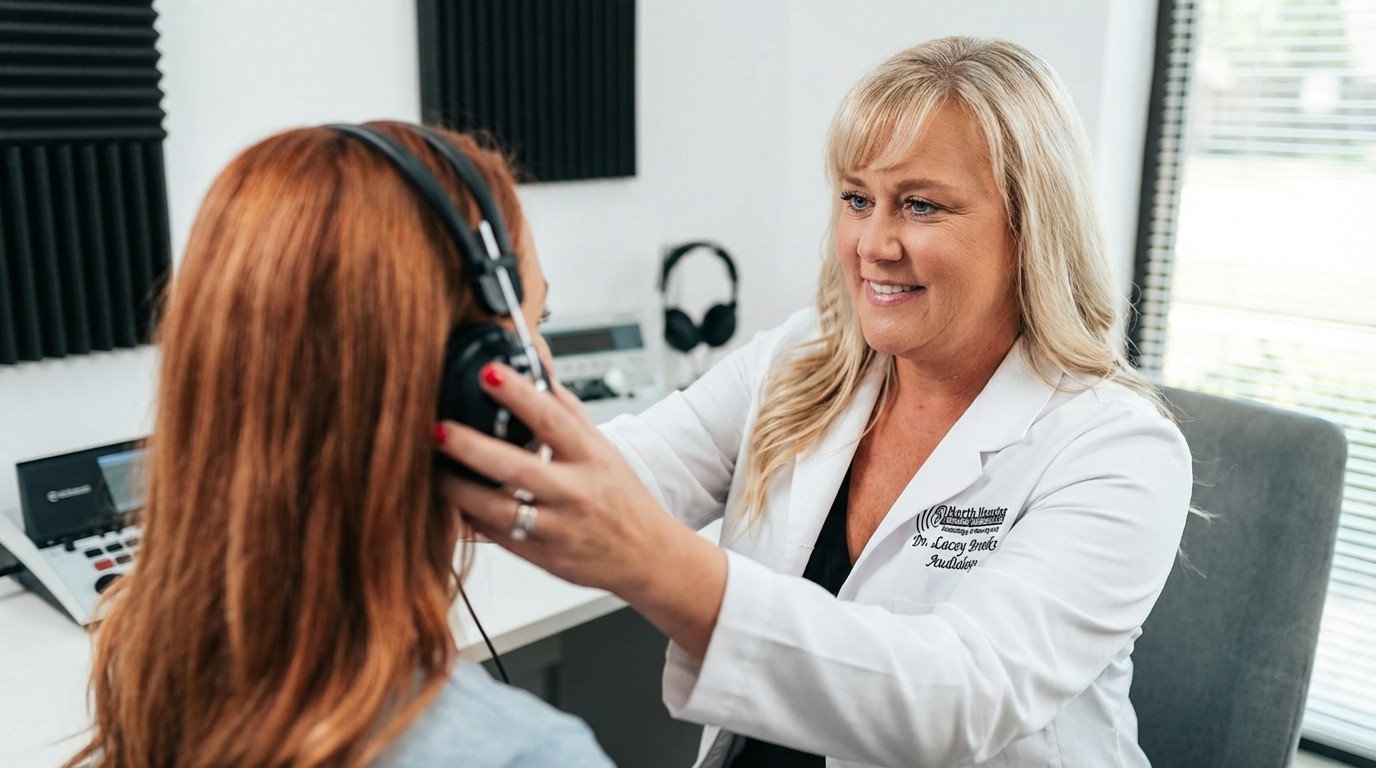
Cognitive screening is a quick, noninvasive assessment that evaluates your memory, attention, and problem-solving skills. During your hearing evaluation, you answer a series of questions or complete simple tasks designed to measure your cognitive function. This helps identify any areas where you may benefit from further support.
Why is cognitive screening important if I have hearing loss?
Can cognitive screening detect early signs of dementia or Alzheimer’s disease?
How often should I have cognitive screening done?
What happens if my cognitive screening shows changes or concerns?